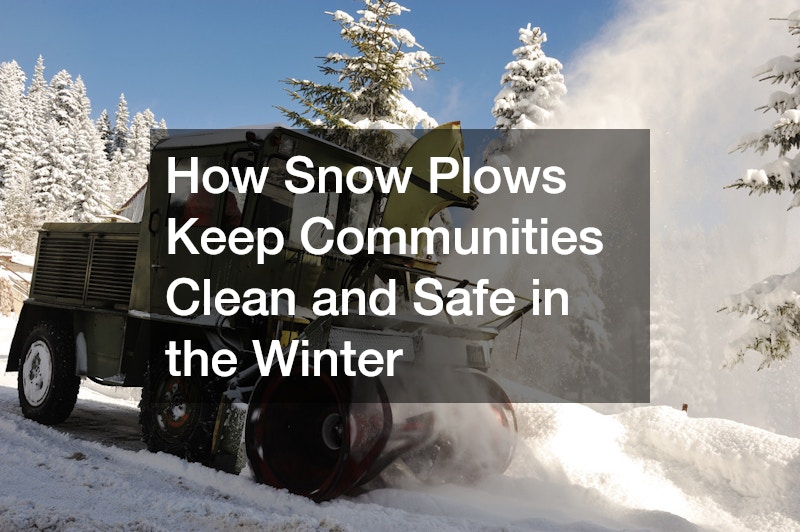
Winter weather can quickly transform roads, parking lots, and public spaces into hazardous areas. Heavy snowfall can make driving difficult, restrict access to businesses, and interfere with emergency services. Efficient snow removal is therefore an important part of keeping communities functional when winter storms arrive. Snow plows play a central role in this process by clearing accumulated snow from heavily traveled areas and helping residents safely reach their destinations.
Clearing Roads for Safer Travel
One of the most important responsibilities of snow plowers is clearing roads after snowfall. Even a few inches of snow can cover pavement markings, reduce traction, and make it difficult for vehicles to stop or turn.
By pushing snow toward the sides of roadways, plowing crews expose the pavement and create safer paths for drivers. This work becomes especially important on major roads that experience steady traffic throughout a storm.
Timely plowing can also help prevent relatively manageable snowfall from becoming a much larger problem. When snow remains on the pavement, repeated traffic can compress it into dense layers. If temperatures fall, those layers may become difficult to remove and can contribute to icy conditions. Removing snow before it becomes packed gives road crews a better opportunity to maintain usable driving surfaces.
Plowing is particularly important on hills, curves, bridges, and intersections, where winter conditions can create additional challenges for motorists. These locations often require extra attention because vehicles may have difficulty maintaining traction or stopping effectively. Keeping these areas accessible can reduce the likelihood of collisions and help drivers navigate winter roads with greater confidence.
Supporting Emergency and Essential Services
Snow removal has an important connection to emergency response. During major storms, police officers, firefighters, paramedics, and other emergency personnel still need to reach homes, businesses, medical facilities, and accident scenes. Snow-covered roads can slow response times, particularly when accumulation is heavy or road conditions deteriorate quickly.
Keeping primary routes open allows emergency vehicles to move more efficiently through a community. Plowing crews may prioritize major roads and routes leading to hospitals, fire stations, and other critical facilities. This coordinated approach helps ensure that essential services remain accessible even when winter weather creates widespread transportation challenges.
Snow plows can also make a difference for residents who depend on essential services. Older adults, people with mobility limitations, caregivers, and others may need access to medical appointments, pharmacies, grocery stores, and other necessities during a storm. Maintaining passable roads makes it easier for these individuals and their caregivers to travel safely.
Businesses benefit from reliable access as well. Employees need to reach workplaces, customers need to enter commercial areas, and deliveries need to reach their destinations. Consistent snow removal can help minimize closures and interruptions, allowing local businesses to resume normal operations more quickly after a storm.
Protecting Community Infrastructure and Public Spaces
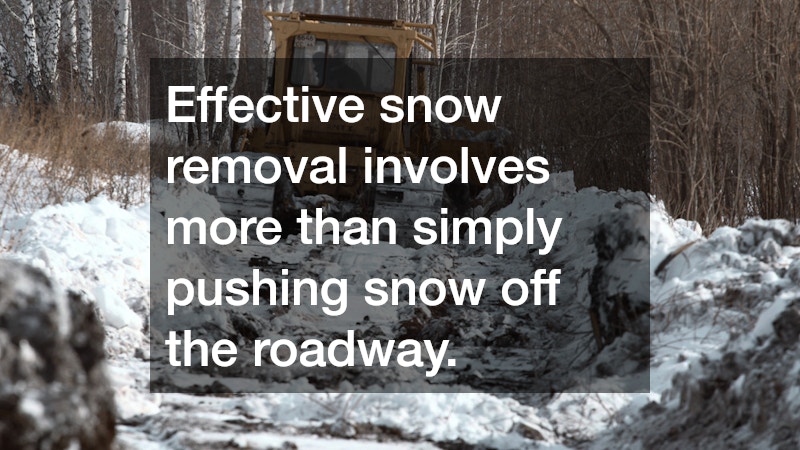
Effective snow removal involves more than simply pushing snow off the roadway. Crews must consider where accumulated snow is placed and how that material may affect drainage, visibility, pedestrian access, and nearby infrastructure. Strategic plowing helps prevent large piles from blocking intersections, entrances, sidewalks, and other important areas.
Snow removal can also help protect pavement and other surfaces from prolonged exposure to moisture and freezing conditions. When snow melts and refreezes repeatedly, water can enter small cracks and contribute to surface deterioration. Removing accumulated snow and addressing icy areas can help limit some of the conditions that contribute to winter-related damage.
Public spaces also require attention during the winter. Parking lots, sidewalks, community facilities, and access roads can become difficult to navigate when snowfall accumulates. Clearing these areas supports safer pedestrian and vehicle movement while helping schools, offices, retail centers, and public buildings remain accessible.
Professional snow removal crews use equipment suited to different conditions and locations. Larger plows may be appropriate for major roadways, while smaller equipment can maneuver through tighter spaces. Operators must also work carefully around curbs, parked vehicles, landscaping, signs, and other obstacles. Proper equipment and experienced operation can make the removal process more efficient while reducing the risk of property damage.
Winter snow can create widespread safety and accessibility challenges, but organized snow removal helps communities respond effectively. By clearing roads, supporting emergency services, maintaining access to essential destinations, and protecting public spaces, snow plows contribute to safer and more reliable winter conditions.