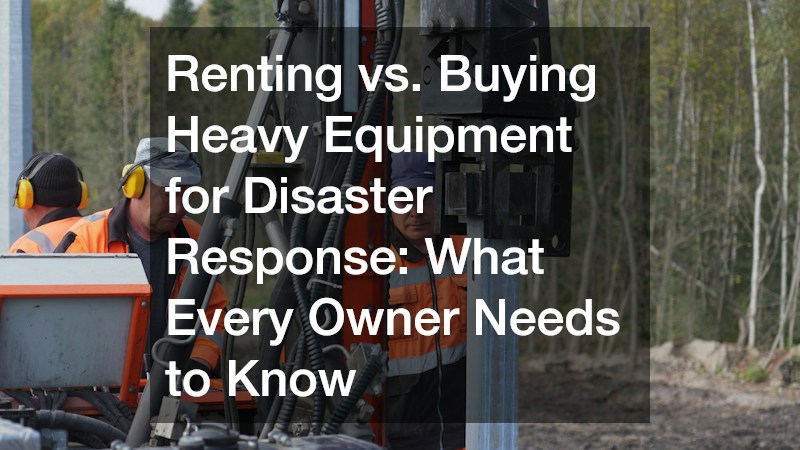
When severe weather strikes, whether it is a major hurricane making landfall, a sudden tornado touchdown, or widespread municipal flooding, the immediate demand for heavy machinery surges exponentially. In the critical first 72 hours following a natural disaster, disaster response contractors, tree care fleets, and municipal cleanup crews are deployed to clear transportation corridors, remove fallen timber, tear down unstable structures, and restore vital community infrastructure.
For business owners operating in the storm restoration space, managing heavy equipment fleet strategy is one of the most consequential financial balancing acts you will face. Possessing high-capacity machinery, such as excavators, wheel loaders, grapple trucks, and skid steers, is essential for winning lucrative emergency contracts. However, deciding whether to purchase these capital assets outright, finance them through long-term loans, or rent them on-demand during emergency deployments dictates your company’s long-term profitability and financial resilience.
Over-leveraging your business with heavy equipment loans during calm weather periods can create crushing idle debt that drains working capital when severe storms pass over your region. Conversely, relying exclusively on short-term rentals during a major regional crisis can leave your company stranded without machinery when national rental yards run out of inventory.
Analyzing Fleet Utilization Rates and Capital Expenditure Limits

The decision to buy or rent heavy machinery should always begin with a cold, data-driven analysis of equipment utilization rates. In the heavy equipment world, utilization represents the percentage of billable hours a machine spends working on an active job site relative to the total available working hours in a month or year.
A standard industry benchmark used by fleet managers is the “60-70% Rule.” If a machine will sit on an active, billable job site for more than 60% to 70% of the year (roughly 1,200 to 1,500 billable hours), purchasing or long-term leasing is usually financially justified. Core assets that can be repurposed year-round for land clearing, forestry, or commercial site preparation—such as mid-sized excavators, skid steers, and wheel loaders—frequently hit this financial threshold, making ownership a sensible choice.
However, specialized equipment intended primarily for disaster recovery often sits idle for long stretches between severe weather events. The hidden financial drag of owning machinery extends far beyond monthly loan principal and interest payments. When you purchase an asset, you assume full responsibility for depreciation, yard storage space, routine engine oil and hydraulic service, track/tire wear, and annual commercial insurance floaters. During dry spells without severe weather, these fixed ownership costs continue to drain your cash flow.
To avoid carrying excessive debt on specialized machinery, consider building a lean internal fleet for primary operations while partnering with specialized trade contractors for heavy, low-frequency tasks. For instance, rather than buying specialized heavy earthmoving attachments or high-tonnage earthmovers for rare site restoration projects, you can partner with an experienced excavating contractor to handle heavy grading and soil remediation on an as-needed subcontract basis.
Similarly, during major structural recovery efforts involving collapsed commercial buildings or reinforced concrete structures, purchasing specialized concrete processors or hydraulic breakers is rarely cost-effective for general disaster teams. Subcontracting high-tonnage structural teardowns directly to professional demolition companies allows you to execute large-scale recovery projects efficiently without carrying millions of dollars in specialized equipment debt on your balance sheet.
- Calculate your equipment break-even utilization: Benchmark machinery usage; purchase assets only if billable work exceeds 60% of total annual operating hours.
- Factor in soft costs of ownership: Include storage yard space, routine maintenance, hydraulic oil changes, tire/track wear, and insurance into total cost calculations.
Navigating Emergency Equipment Supply Chains and Mobilization Logistics
When a major hurricane or severe weather event devastates a region, the sudden influx of recovery contractors creates an immediate, severe shortage of rental machinery across regional equipment yards. Contractors who rely entirely on last-minute, spot-market rentals often discover that local supply yards are completely stripped of excavators, track loaders, and generators within hours of a storm’s passage.
To protect your business from getting shut out during emergency deployments, establish national Priority Rental Agreements with major multi-regional equipment suppliers well before storm season begins. National accounts allow you to reserve equipment allocations across regional staging yards outside the primary impact zone, ensuring your teams have guaranteed access to machinery as they mobilize toward the disaster footprint.
Rapid mobilization logistics require careful planning. Moving heavy equipment across state lines during emergency road-clearing operations requires reliable transport services. Building master service agreements with specialized heavy haulers and local towing providers guarantees flatbed and lowboy transport availability when highways are littered with fallen trees and overturned vehicles.
Efficient site clearing during storm response requires machinery capable of handling massive volumes of organic green waste and structural debris rapidly. Deploying heavy-duty bulk material handling equipment—such as high-capacity grapple trucks, horizontal grinders, and wheel loaders equipped with oversized brush grapples—allows your crews to clear transportation corridors and process debris volumes quickly, maximizing daily contract billing.
When transporting heavy equipment into disaster zones across state borders, stay mindful of state DOT weight restrictions, oversized load permits, and emergency transport waivers. Keep digital copies of emergency response transport permits, operator certifications, and tie-down safety logs inside all transport vehicles to avoid unnecessary delays at highway weigh stations during emergency deployments.
- Secure priority rental agreements early: Establish corporate accounts with national rental suppliers before storm season to guarantee equipment allocations.
- Pre-arrange heavy transport logistics: Partner with licensed towing and heavy haul companies to guarantee lowboy trailer availability during emergencies.
Managing High-Elevation Trees, Structural Debris, and Waste Streams
Storm recovery operations present extreme physical and structural hazards. Uprooted trees leaning against power lines, fractured limbs suspended high in tree canopies, and partially collapsed roofs require specialized lifting, rigging, and waste management setups to protect field crews and surrounding property.
When dealing with massive uprooted hardwood trees resting on residential or commercial structures, attempting to cut or pull them down with standard skid steers or excavator thumbs is extremely dangerous. Unbalanced timber can roll unpredictably, crushing equipment cabs or causing catastrophic structural collapse.
Partnering with a certified crane service provider allows your crews to safely attach rigging lines, balance heavy logs, and lift massive tree sections vertically off structures without placing ground crews or machinery in dangerous crush zones. Utilizing specialized crane equipment for high-elevation lifting protects your company from massive property damage liability claims.
Once structural debris and fallen trees are safely cleared from structures, managing waste streams becomes your primary operational bottleneck. High-volume recovery sites generate tons of mixed waste, including organic brush, pressure-treated lumber, drywall, roofing shingles, and metals, that must be sorted and hauled away quickly to keep work sites safe.
Positioning high-capacity construction dumpsters across primary staging sites streamlines sorting and disposal operations. Establishing clear waste-sorting guidelines—separating clean green waste for grinding from mixed structural debris—reduces overall landfill tipping fees and prevents hazardous materials from contaminating organic recycling streams.
- Utilize professional crane lifting support: Hire licensed crane operators to lift heavy, precarious trees off structures safely before cutting.
- Enforce strict rigging safety zones: Establish wide safety perimeters around heavy lifting operations to protect ground crews from falling debris.
Securing On-Site Sanitation, Environmental Compliance, and Site Operations
Disaster response teams are frequently deployed into devastated zones where municipal power grids are offline, water distribution networks are broken, and basic public infrastructure is non-functional. Operating a multi-week cleanup campaign under off-grid conditions requires establishing self-sustaining field staging sites that support crew health, machinery maintenance, and environmental compliance.
Maintaining field sanitation is essential for crew health and operational endurance. When local facilities are closed or destroyed, deploying heavy-duty portable toilets and mobile handwashing stations to staging yards ensures your workers remain healthy, hydrated, and hygienic during long, physically demanding work shifts in warm, humid post-storm environments.
Environmental protection is another major operational responsibility during disaster relief operations. Equipment leaks, hazardous chemical spills, and contaminated water run-off from debris piles can lead to severe environmental fines and public health hazards if left unmanaged.
Deploying mobile water filtration and purification systems allows site managers to process run-off water, suppress toxic dust at grinding sites, and manage contaminated washdown water safely. Partnering with specialized water treatments providers ensures your staging operations comply with EPA regulations regarding fuel storage, oil spill containment, and run-off management in disaster recovery zones.
Store bulk diesel fuel, hydraulic oil, and motor oil in certified double-walled fuel tanks equipped with secondary containment berms. Keeping absorbent spill kits, drain covers, and neutralizer agents stocked on all service trucks ensures minor hydraulic hose bursts or fuel spills are contained immediately before contaminating local waterways.
- Deploy portable field sanitation units: Place clean, well-serviced portable restrooms and handwashing stations across field staging yards for crew health.
- Implement mobile water processing systems: Utilize specialized water filtration setups to manage dust suppression and site washdown run-off safely.
Mitigating Financial Liability, Risk Management, and Insurance Protocols
Operating heavy equipment in high-risk disaster environments carries significant financial and legal risks. Operating machinery amidst downed power lines, unstable soil, hidden gas mains, and submerged hazards creates constant exposure to equipment rollover, structural damage, and severe physical injury.
Managing this risk profile requires maintaining comprehensive insurance coverage across every machine in your fleet—whether owned, leased, or rented. Work closely with specialized insurance agencies that understand the unique risks of disaster restoration, commercial tree care, and heavy construction. Ensure your policies include high-limit inland marine coverage, hired auto liability, and comprehensive contractor equipment floaters.
When renting machinery for emergency deployments, pay close attention to the equipment rental company’s insurance terms and Rental Loss Damage Waivers (LDW). Standard commercial general liability insurance policies often exclude coverage for rented or non-owned equipment unless a specific hired equipment endorsement is attached. Ensure your insurance policies explicitly cover rented machinery up to the full replacement value of high-cost excavators and loaders.
Before putting any rented or leased machine into service in a disaster zone, conduct a rigorous pre-service photo and video inspection. Document every existing scratch, dent, cracked glass, or worn hydraulic hose on the rental company’s check-out sheet before leaving the rental yard. Thorough pre-use documentation protects your company from being billed for pre-existing structural damage when returning equipment after an intense deployment.
Finally, enforce strict operator qualification standards. Never allow uncertified or inexperienced workers to operate high-risk heavy machinery. Requiring operators to pass formal equipment safety certifications reduces accident rates, protects crew members, and helps keep your insurance premiums manageable over time.
- Audit commercial equipment insurance policies: Partner with knowledgeable insurance brokers to secure high-limit inland marine and hired equipment coverage.
- Verify hired equipment policy endorsements: Confirm that non-owned equipment policies cover full replacement values for high-ticket rental machinery.
Sourcing Reconstruction Supplies and Secondary Material Revenue
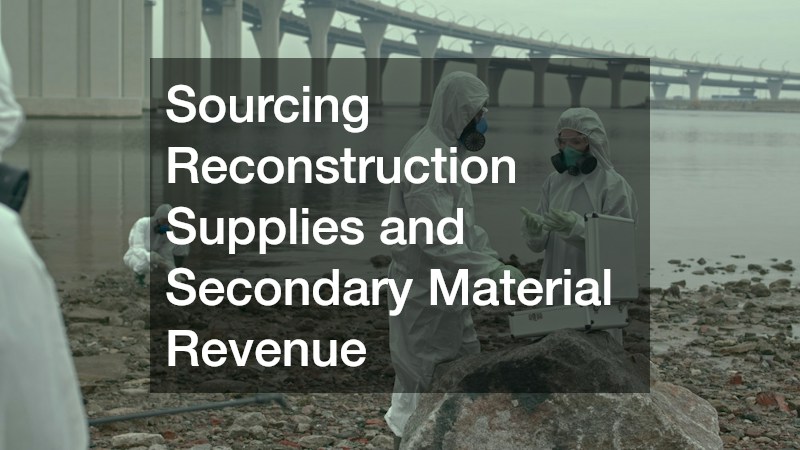
Emergency disaster response naturally evolves through distinct operational phases. The initial emergency clearance phase—focused on opening blocked roads and clearing hazards—gradually transitions into the structural demolition and rebuilding phase. Positioning your company to participate in both phases opens significant additional revenue streams.
As emergency clearing winds down, regional demand shifts heavily toward construction materials for temporary roof tarping, structural shoring, and building repairs. Establishing direct commercial trade accounts with regional lumberyards ensures priority access to bulk plywood, framing timber, fasteners, and structural materials when supply chains are strained.
Monetizing salvaged materials generated during site clearing offers another opportunity to increase profitability. Instead of paying landfill tipping fees to dispose of high-volumes of storm-damaged hardwood logs, process clean timber into reusable sawlogs, wood chips, or split firewood.
Large-diameter hardwood logs can be sorted and sold to regional sawmills, while clean wood chips can be supplied to biomass power facilities or municipal composting operations. Converting waste materials into salable secondary products offsets equipment fuel costs and boosts your gross profit margins.
Furthermore, sort and recycle metals salvaged from damaged commercial buildings. Collecting and transporting structural steel, copper wiring, and aluminum siding to local scrap metal recycling centers transforms demolition waste into positive cash flow while reducing overall waste disposal costs.
- Establish trade relationships with regional lumberyards: Secure priority access to framing timber, plywood, and hardware for post-storm rebuilding.
- Monetize salvaged hardwood sawlogs: Sort and sell clean, large-diameter logs to regional sawmills and wood processors.
Building a Flexible, High-Margin Disaster Response Fleet
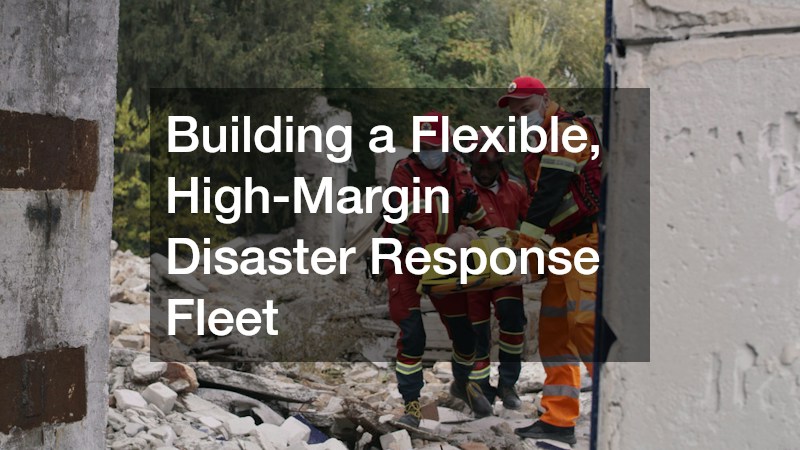
The decision to rent or buy heavy equipment for disaster response is not an all-or-nothing choice. The most successful disaster recovery operators build a hybrid fleet model that combines the strengths of both financial approaches.
By purchasing core, highly versatile machinery, such as mid-sized excavators, track loaders, and service trucks—you guarantee immediate rapid-response capabilities for local emergencies while building long-term equity. At the same time, maintaining national priority rental agreements allows you to quickly scale up fleet capacity with specialized machinery—such as large wheel loaders, high-reach excavators, and chippers, when a major regional storm creates massive, temporary volume.
Focus on maintaining financial agility. Keep long-term equipment debt manageable, analyze machinery utilization data regularly, maintain comprehensive insurance coverage, and establish strong trade partnerships across supply chains. By balancing ownership with strategic rentals, you build a resilient, highly profitable disaster response business capable of answering the call whenever severe weather strikes.