Picture this: You are driving home from work on a Tuesday evening. It has been a long day, and your mind is already on dinner. Suddenly, you hear a loud, rhythmic thumping noise coming from underneath the vehicle. Or perhaps, in a different scenario, you are navigating a tight parking garage and accidentally scrape your rear door against a concrete pillar, leaving a deep dent and a streak of yellow paint.
In both situations, your vehicle needs professional attention, but the destination for that help is entirely different. For many drivers, the automotive service industry is a blur of grease, lifts, and invoices. However, the industry is distinctly divided into two primary disciplines: the “doctors” who treat the internal health of the car, and the “surgeons” who reconstruct the body and structure.
Confusing the two can lead to significant frustration. Taking a car with a sputtering transmission to a body shop is as ineffective as going to a dentist for a broken arm. It results in wasted time, unnecessary towing fees, and the headache of coordinating between different businesses. More importantly, understanding the distinction is crucial for your safety and your wallet.
This guide is designed to demystify the automotive repair world. We will explore exactly how to diagnose your needs based on what you see and hear, how to vet the right professionals for the job, and how to manage the logistics of getting your vehicle where it needs to go. By the end of this article, you will be equipped to handle any automotive mishap with confidence.
I. Listen to Your Vehicle: Identifying Internal Performance Issues
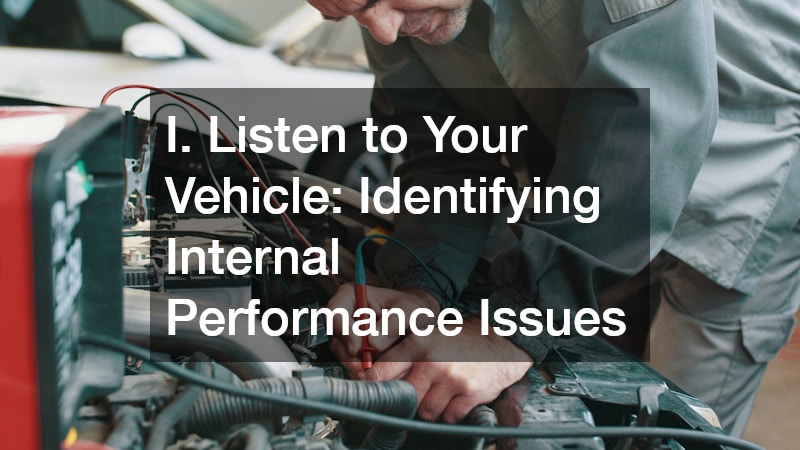
When your vehicle acts up, your first clue is usually sensory. It’s a sound, a smell, or a feeling. Mechanical repair focuses on the parts of the car that make it move, stop, and function. These are the components you generally cannot see without popping the hood or putting the car on a lift.
Diagnosing Drivability Problems
The heart of your vehicle is the powertrain—the engine, transmission, and drivetrain. When these systems fail, the car may look pristine on the outside but be completely inoperable. These issues almost always require a mechanical repair facility.
Mechanical shops are equipped with advanced diagnostic computers that interface with your vehicle’s On-Board Diagnostics (OBD-II) port. They read error codes that tell the technician if a specific sensor, valve, or piston is misfiring.
You likely need a mechanical expert if you experience:
- Warning Lights: The “Check Engine,” “ABS,” or “Oil Pressure” lights are immediate red flags for internal issues.
- Strange Noises: Clicking, knocking, or hissing sounds coming from the engine bay suggest that moving parts are failing or fluids are leaking.
- Performance Issues: If the car hesitates when you press the gas, shifts gears roughly, or stalls at stoplights, the issue is mechanical.
- Leaks: Puddles of green, red, or brown fluid on your driveway indicate leaks in the radiator, transmission, or engine block.
In these scenarios, finding a facility that specializes in car engine repair is your priority. These technicians are trained to disassemble the engine block, replace timing belts, fix transmission solenoids, and ensure the vehicle’s internal chemistry is balanced. They are focused on the “vital organs” of the machine.
Safety Systems and Wearables
Beyond the engine, mechanical shops handle the “wearables”—parts designed to degrade over time through friction and use. The most critical of these are your suspension and braking systems.
Understanding the lifespan of these parts is key to preventative maintenance. Unlike a sudden accident, these parts wear down predictably. However, ignoring them can lead to catastrophic failure.
Pay close attention to your stopping power. If your pedal feels “spongy” or sinks to the floor, or if you hear a high-pitched squeal when you apply pressure, your brake pads are likely worn down to the metal indicators. This requires immediate brake repair to ensure the safety of you and your passengers. A mechanical shop will measure the thickness of your rotors, check the calipers for seizing, and flush the hydraulic lines.
Summary of Mechanical Issues:
- Focus: Function, performance, and safety systems.
- Tools Used: Wrenches, diagnostic scanners, fluid flush machines.
- Common Jobs: Oil changes, timing belts, alternators, water pumps, brake pads.
II. Assess the Exterior: When Damage Goes Beyond the Paint
While mechanical shops keep the car running, the other side of the industry ensures the car is structurally sound and aesthetically pleasing. This is the domain of collision and auto body professionals. Their work is often necessitated by external trauma—an accident, hail damage, or corrosion—rather than internal wear and tear.
Handling Surface and Structural Trauma
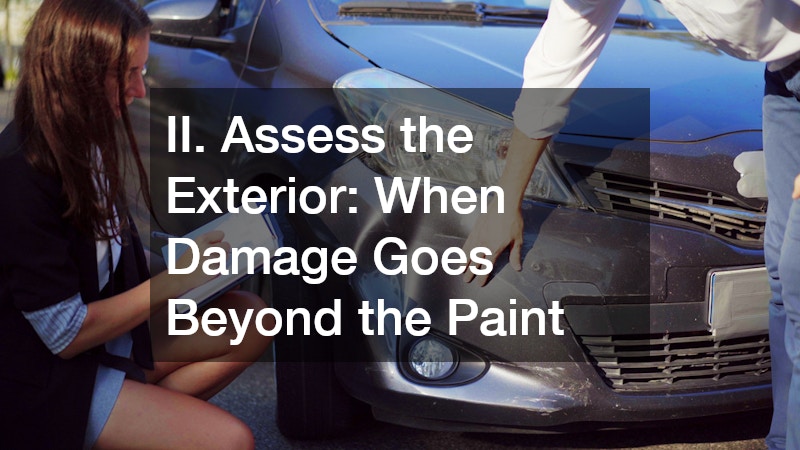
When a vehicle strikes an object, the damage is rarely just “skin deep.” Modern vehicles are designed with complex unibody structures meant to absorb impact energy to protect the occupants. This means a fender bender often ripples energy through the frame of the car.
If the damage to your vehicle is visible—dents, shattered glass, detached bumpers, or deep scratches—you need a facility that handles auto body repair. These technicians are artisans as much as they are mechanics. They work with metal, fiberglass, plastic, and glass to restore the vehicle’s shape.
The process is labor-intensive and involves:
- Disassembly: Removing the exterior panels to inspect what lies beneath.
- Metal Work: Using stud welders and hammers to pull dents out of steel or aluminum panels.
- Prep Work: Extensive sanding, priming, and masking to prepare the surface for paint.
- Refinishing: Mixing paint codes to match the factory color perfectly, taking into account fading and variation.
The Complexity of Crash Impact
It is a common misconception that body shops only fix cosmetic issues. In reality, they are responsible for the structural integrity of the vehicle. If the frame of your car is bent by even a few millimeters, it can affect how the car drives, how the tires wear, and, critically, how it will protect you in a future accident.
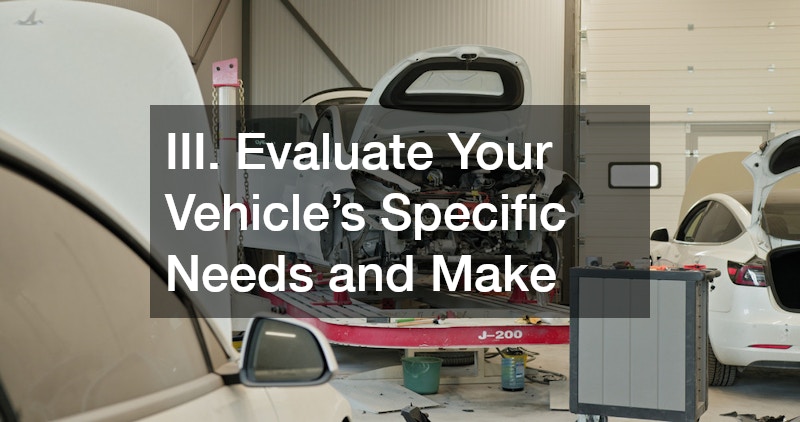
Major accidents require heavy-duty collision repairs. This often involves placing the vehicle on a frame rack—a massive hydraulic machine that uses chains and lasers to pull the car back to its factory specifications. This is not something a standard mechanic can do.
Furthermore, modern bumpers are packed with technology. Sensors for parking assist, blind-spot monitoring, and adaptive cruise control are often housed in the exterior panels. After a crash, simply replacing the bumper isn’t enough; the sensors must be recalibrated to ensure they “look” in the right direction. If this step is skipped, your safety features may fail when you need them most.
Signs You Need a Body Shop:
- Panel Misalignment: The gaps between your doors or hood are uneven.
- Cracked Glass: Windshields or side windows are shattered.
- Paint Damage: Peeling clear coat, deep scratches, or rust bubbles.
- Deployed Airbags: This almost always signifies a major collision event requiring interior and structural restoration.
III. Evaluate Your Vehicle’s Specific Needs and Make
Not all repair shops are created equal, and not all vehicles can be serviced at every location. As vehicles become more computerized and specialized, the “general practitioner” approach to auto repair is becoming less common. You must evaluate the specific lineage of your car and the specific nature of the problem.
The Importance of Make-Specific Expertise
Vehicles manufactured in Germany, Japan, Sweden, and Italy are engineered differently than their American counterparts. They often use metric fasteners, require specific synthetic fluids, and, most importantly, utilize proprietary software for their electronic control units (ECUs).
For example, a BMW or an Audi often requires specialized tooling to lock the camshafts during engine work. A standard domestic shop might not have these expensive, brand-specific tools. In these cases, taking your vehicle to a specialized import auto shop is highly recommended. These facilities invest heavily in the factory-level scanners and training required to diagnose complex issues in foreign cars.
An import specialist will understand the nuances of your vehicle’s engineering. They will know, for instance, that certain models are prone to water pump failures at 60,000 miles or that the dual-clutch transmission requires a specific calibration procedure.
Routine Maintenance vs. Specialized Service
Sometimes, your needs are neither complex mechanical failure nor accident damage. Sometimes, you just need routine maintenance on the parts that touch the road. This is where the market segments even further.
For wheel-related issues—punctures, balding treads, or seasonal changeovers—specialized tire shops are often the most efficient option. These high-volume shops can mount and balance wheels faster and cheaper than a general mechanic because their entire workflow is optimized for it.
However, there is a caveat. While these shops are excellent for rubber, they may not be the best place for diagnosing why your tires wore unevenly in the first place. Uneven wear often points to suspension issues (tie rods, ball joints) or alignment problems.
When to Choose a Specialist:
- The Problem: Your check engine light is on, and you drive a late-model Mercedes-Benz.
- The Solution: An import specialist who has the Mercedes “Star” diagnostic system.
- The Problem: You have a nail in your sidewall or need winter treads.
- The Solution: A dedicated tire facility.
- The Distinction: While a tire shop can sell you new rubber, they might miss the underlying bent control arm that caused the blowout, whereas a full-service mechanic would catch it.
IV. Verify the Shop’s Certifications and Equipment

Once you have identified the type of shop you need, you must vet the specific business. The automotive repair industry is largely unregulated in terms of who can open a shop, but there are voluntary certifications that separate the professionals from the amateurs.
Looking for the “Heavy Machinery”
When you walk into a shop or visit their website, look for signs of investment in technology.
For a body shop, the equipment is massive and distinct. You should look for:
- Paint Booths: Enclosed, ventilated rooms that ensure a dust-free finish and bake the paint for durability.
- Frame Machines: Large platforms with towers and chains used to straighten the chassis.
- Resistance Spot Welders: These replicate factory welds, ensuring the structural steel holds together during a crash.
If you are looking for an auto body center, check for I-CAR Gold Class status. This certification means the technicians are constantly trained on the latest vehicle materials, such as aluminum and carbon fiber. Repairing an aluminum Ford F-150 requires a completely different environment and toolset than a steel Chevy Silverado; using steel tools on aluminum can cause galvanic corrosion.
The Insurance Connection
One of the biggest differentiators between mechanical and collision work is who pays the bill. Mechanical repairs are usually paid out-of-pocket by the owner (or by a warranty company). Collision work is almost always paid for by auto insurance companies.
This creates a different administrative workflow. A quality collision repair service will have dedicated estimators who understand how to write reports for insurance adjusters. They know how to document “supplements”—damage that wasn’t visible during the initial estimate but was found during disassembly.
If you are in an accident, ask the shop:
- “Are you a direct repair facility for my insurance provider?” (This can speed up the process).
- “Do you use OEM (Original Equipment Manufacturer) parts or aftermarket parts?”
- “Do you handle the rental car reservation?”
A shop that regularly handles insurance claims will take the burden of negotiation off your shoulders. They will fight to ensure that the insurance company pays for the correct procedures, such as blending the paint into the adjacent door so the color matches, rather than just painting the new fender.
V. Manage Logistics Safely When the Car Cannot Move

There is a final, crucial logistical hurdle: How do you get the car to the shop if it cannot be driven? Whether steam is pouring from the radiator or the front wheel is bent at a 45-degree angle, you need professional transport.
Assessing Roadside Safety
When a breakdown or accident occurs, your safety is paramount. If you are on a highway, stay inside the vehicle with your seatbelt on until help arrives, unless there is a fire risk. If you are in a safe parking lot, assess the car.
Never attempt to drive a vehicle if:
- Fluids are leaking rapidly.
- The steering feels loose or unresponsive.
- The airbags have deployed.
- Any lights or glass are broken (making it illegal to drive).
In these moments, you need to rely on local towing. It is highly advisable to research and save the number of a reputable towing company in your phone before you need them. Waiting until you are stranded on the side of the road often leads to panic-picking the first result on a search engine, which can result in long wait times and predatory pricing.
Transporting to the Correct Facility
When you call for help, precision in your communication is vital. The dispatcher needs to know the nature of the problem to send the right truck.
There are generally two types of tow trucks:
- Wheel-Lift: Picks up the car by two wheels and drags it.
- Flatbed: The entire car sits on the bed of the truck.
If you have an All-Wheel Drive (AWD) vehicle or if the car has severe body damage, you must request a flatbed. Dragging an AWD car can destroy the transmission.
When speaking to tow truck services, be clear about the destination. If you have identified that the issue is a smashed radiator from a crash, tell them to take it to the body shop, not your mechanic. If the car simply died at a stoplight, tell them to take it to the mechanic.
Furthermore, ask the towing company if they have access to the shop’s “drop box” or after-hours procedure. Many shops allow tow trucks to drop vehicles off in a secure lot and leave the keys in a lockbox overnight, allowing the repair process to begin first thing in the morning.
Checklist for Calling a Tow:
- Location: Note mile markers or cross streets.
- Vehicle Condition: “It rolls but won’t start” vs. “The wheel is broken off.”
- Drivetrain: “It is a 4×4” (implies flatbed needed).
- Destination: Have the address of your chosen shop ready.
Conclusion
Navigating the automotive repair landscape does not have to be an exercise in frustration. By understanding the fundamental differences between the various types of repair facilities, you empower yourself to make faster, smarter, and safer decisions.
Remember the simple rule of thumb: If the issue affects how the car runs, it is likely a job for a mechanic. If the issue affects how the car looks or its structural shell, it is a job for a body shop. If the car requires specialized European or Asian expertise, seek out an import specialist. And for the rubber that meets the road, utilize dedicated tire professionals.
The best time to find these trusted partners is not when you are stranded on the side of the highway, but right now. Take a moment to check your vehicle’s owner’s manual, read local reviews, and perhaps even visit a few shops in your area to get a feel for their professionalism. Building a contact list of reliable experts—from the tow truck driver to the master technician—is the best insurance policy you can have against the unexpected. Your vehicle takes care of you every day; knowing where to take it when it needs help is the best way you can return the favor.