Planning a full-service home renovation is about far more than choosing finishes and layouts. The most successful projects take a comprehensive approach that accounts for structural integrity, mechanical reliability, and long-term performance before cosmetic upgrades begin. Overlooking critical repairs early can lead to delays, unexpected expenses, and compromised results once construction is underway.
A well-planned renovation identifies hidden issues, sequences work correctly, and aligns repairs with upgrades so every improvement supports the next. The following sections break down how homeowners can plan strategically, address essential systems at the right time, and avoid common mistakes that undermine renovation success.
Assess the Property Thoroughly Before Finalizing Renovation Plans
A thorough property assessment establishes a clear understanding of site conditions before renovation plans are finalized. Skipping this step often leads to unexpected discoveries once construction begins, forcing changes to designs, timelines, and budgets. By evaluating the property early, homeowners can anticipate challenges and incorporate solutions into the planning phase rather than reacting to problems mid-project.
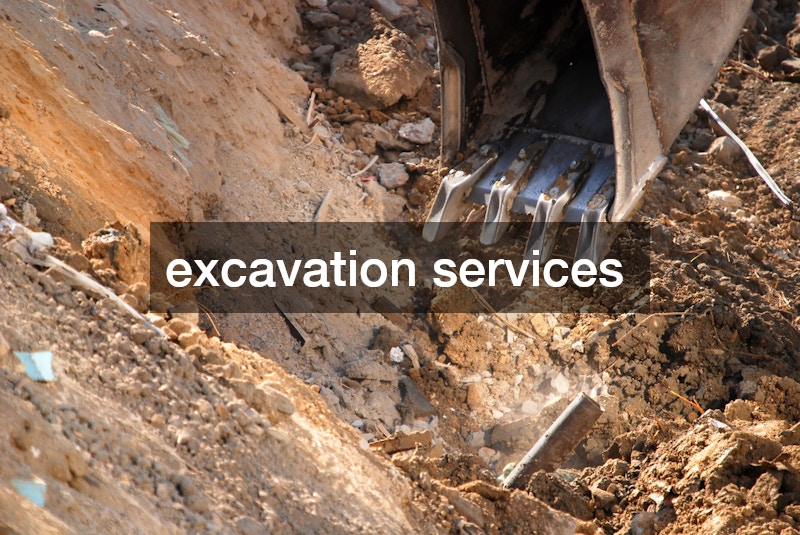
Professional excavation services provide critical insight into conditions that are not visible at the surface. Soil composition varies widely and directly affects how well foundations and structural elements perform over time. Expansive or loose soils can shift with moisture changes, placing stress on foundations and slabs. Identifying these conditions early allows for corrective measures such as soil stabilization, compaction improvements, or design adjustments that protect the structure long term.
Drainage patterns are another essential consideration. During heavy rainfall, water may collect in low areas, flow toward the foundation, or saturate soil around structural elements. Without a clear understanding of how water behaves on the property, renovations may unintentionally worsen drainage issues. Early assessment helps determine where grading adjustments, drainage channels, or subsurface solutions are needed to direct water safely away from the home.
Elevation changes across the property influence both functionality and accessibility. Slopes can affect driveway placement, walkway design, and overall site usability. Steep or uneven grades may require additional grading work, retaining solutions, or access modifications. Identifying these challenges in advance prevents last-minute redesigns and ensures that the renovation integrates smoothly with the existing landscape.
Locating existing utilities is critical for safety and scheduling. Underground water, gas, electrical, or communication lines can be damaged if their locations are unknown, leading to delays, repair costs, and potential hazards. Early identification allows renovation plans to accommodate utility layouts and coordinate any necessary relocations before construction begins.
Careful documentation of all assessment findings creates a reliable reference for designers, contractors, and inspectors. Detailed notes, site plans, and reports help align expectations, support accurate cost estimates, and reduce miscommunication. This proactive approach empowers homeowners to make informed decisions, streamline the renovation process, and minimize the risk of costly redesigns once work is underway.
Strengthen Structural Elements Before Cosmetic Improvements
Structural elements are the critical framework that supports every other aspect of a home renovation. Without a solid foundation, even the most carefully selected finishes, cabinetry, and flooring can be compromised over time. Issues such as cracks, settling, or water intrusion in foundations and slabs may not be immediately visible but can lead to uneven floors, warped materials, or costly structural failures if not addressed before cosmetic upgrades begin.
Experienced concrete contractors play a vital role in assessing and reinforcing these key structural components. Their expertise allows them to identify weaknesses, recommend targeted repairs, and determine whether replacement is necessary to ensure long-term stability. By evaluating existing conditions carefully, they help homeowners avoid shortcuts that may save time initially but create expensive problems in the future.
Key areas for homeowners to focus on include:
-
Foundation inspections: Careful evaluation for signs of movement, hairline or significant cracking, and evidence of water intrusion is essential. Detecting these issues early allows for proper remediation, such as underpinning, crack injection, or sealing, which protects the home’s structural integrity.
-
Load capacity: Renovations often increase the load on existing slabs or footings, whether through additional rooms, heavy appliances, or reinforced flooring systems. Ensuring that the foundation and slabs are capable of supporting these changes prevents long-term stress and potential structural compromise.
-
Moisture mitigation: Excess moisture beneath slabs or within foundations can cause mold growth, rot, or structural weakening. Concrete contractors can recommend solutions such as vapor barriers, drainage systems, and waterproof coatings to protect both current and future interior finishes.
-
Long-term planning: Considering future additions or renovations during structural upgrades can reduce the need for repeated work. Reinforcing slabs and foundations now, even for potential future loads, saves homeowners from costly interruptions later.
Addressing structural elements early in the renovation process ensures that cosmetic work is built on a stable and secure base. By resolving foundational and slab issues upfront, homeowners prevent hidden problems from resurfacing and compromising the overall quality and longevity of the renovation, protecting both investment and safety for years to come.
Prioritize Roof Integrity to Protect the Entire Renovation
The roof serves as the primary barrier between a home and the elements, making it one of the most critical components to address during any renovation. Its condition directly affects the safety, durability, and comfort of the entire home. Even minor leaks or compromised areas can quickly escalate, damaging new ceilings, walls, insulation, and structural components installed during the renovation. Ignoring roof integrity can turn a well-planned project into a costly repair cycle, undermining both time and investment.
A qualified roofing contractor brings the expertise necessary to evaluate the current condition of a roof, including its materials, structure, and remaining useful life. Their assessment determines whether repairs, partial replacements, or a full roof replacement is required to meet the demands of the renovation. Addressing these issues early ensures that subsequent construction work is protected from potential water damage or other environmental stressors.
Key considerations for safeguarding roof integrity include:
-
Material condition: Inspecting shingles, tiles, metal panels, or other roofing materials for signs of wear, curling, cracking, or deterioration. Outdated materials may not provide adequate protection or may be incompatible with new renovation elements, necessitating replacement or reinforcement.
-
Flashing and penetrations: Examining areas where the roof meets vents, chimneys, skylights, or HVAC systems. Proper installation of flashing around these penetrations is critical to prevent leaks that can infiltrate insulation and compromise interior finishes.
-
Ventilation: Ensuring the attic or roof cavity has proper airflow to manage heat and moisture. Adequate ventilation helps preserve roof materials, reduces energy costs, and prevents mold or rot that could spread to structural components during or after renovation.
-
Timing: Scheduling roofing work before interior finishes are installed minimizes the risk of water damage and allows contractors to coordinate their work efficiently. Early attention also prevents delays caused by unexpected repairs discovered after interior improvements are underway.
By focusing on these elements, homeowners can protect the structural and aesthetic investments made throughout the renovation. Prioritizing roof integrity reduces the likelihood of costly repairs, preserves the longevity of new materials, and ensures that the home remains safe and comfortable during and after the construction process.
Compare Roofing Options and Credentials Carefully
Selecting the right roofing professional is a critical step in ensuring the long-term success of a home renovation. Even the highest-quality materials can fail if installed improperly, and mistakes may not become apparent until years later. A poorly executed roof can lead to leaks, structural damage, and reduced energy efficiency, making the choice of contractor as important as the choice of shingles or tiles.
Working with experienced local roofers offers unique advantages that go beyond technical skill. Local professionals have firsthand knowledge of regional weather patterns, seasonal challenges, and common roofing issues that may affect material performance and installation methods. Their familiarity with local permitting processes and building codes ensures that the project complies with all regulations, reducing the risk of costly fines or revisions. Additionally, local accessibility often translates into faster response times for repairs or warranty service if issues arise.
When evaluating roofing options, homeowners should focus on several key factors:
-
Licensing and insurance: Ensuring that contractors hold valid licenses and carry insurance protects homeowners from liability in the event of accidents, property damage, or incomplete work. It also provides peace of mind that the contractor meets professional and legal standards.
-
Manufacturer certifications: Certified contractors are trained to install specific roofing products according to manufacturer guidelines, which preserves warranties and maximizes material lifespan. Certification also indicates a higher level of expertise and professionalism.
-
Local experience: Contractors who have worked extensively in the area understand how local climates—such as heavy rain, snow, wind, or extreme heat—affect roofing systems. This knowledge allows them to recommend materials and installation techniques best suited to the environment.
-
Clear contracts: Detailed agreements outlining the project scope, materials, timelines, and cleanup responsibilities help prevent misunderstandings and protect homeowners’ investment. A well-defined contract ensures that both parties understand expectations and responsibilities, reducing the likelihood of disputes.
By carefully vetting roofing professionals, homeowners can significantly reduce the risk of substandard work. Choosing a contractor with proven local experience, proper certifications, and a transparent process ensures that the roof not only protects the home effectively but also provides long-term value, minimizing maintenance issues and safeguarding the renovation investment.
Plan Mechanical System Upgrades Alongside Structural Work
Mechanical systems are often easier and more cost-effective to upgrade when walls, ceilings, and floors are already open. Planning these upgrades alongside structural changes prevents rework and improves system integration.
Professional HVAC services help homeowners align heating and cooling improvements with layout changes and insulation upgrades. This coordination enhances comfort and efficiency long after the renovation is complete.
Effective planning includes:
-
System sizing: Matching capacity to updated layouts and square footage
-
Duct routing: Optimizing airflow while avoiding structural conflicts
-
Energy efficiency: Incorporating modern technologies during renovation
-
Access planning: Ensuring future maintenance remains straightforward
Integrating mechanical upgrades into early planning stages reduces disruption and maximizes performance.
Address Heating and Cooling Issues Before Finishes Are Installed
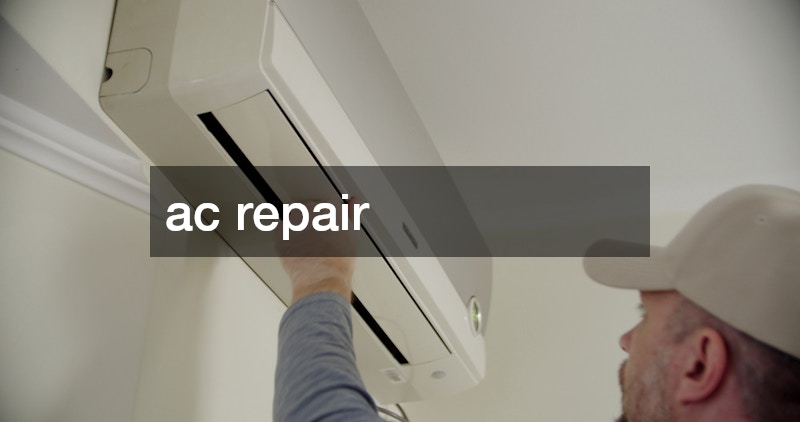
Heating and cooling problems can be disruptive at any time, but addressing them after finishes are installed is especially costly. Renovation provides an ideal opportunity to resolve existing issues while access is readily available.
Scheduling necessary ac repair during renovation helps prevent failures that could damage new materials or compromise comfort shortly after project completion.
Homeowners should watch for:
-
Inconsistent temperatures: Indicating airflow or system balance issues
-
Unusual noises: Suggesting mechanical wear or component failure
-
Frequent cycling: Reducing efficiency and system lifespan
-
Poor airflow: Affecting comfort and indoor air quality
Resolving these issues early ensures systems perform reliably once the renovation is complete.
Evaluate Utility Systems to Avoid Mid-Project Failures
Utility systems are often pushed harder after a renovation, especially when additional bathrooms, appliances, or occupants are introduced. Failing to evaluate these systems early can lead to mid-project breakdowns or post-renovation disruptions.
A professional water heater repair service assesses capacity, efficiency, and reliability to determine whether repairs or upgrades are necessary.
Key evaluation points include:
-
Age and condition: Identifying units nearing the end of their lifespan
-
Capacity needs: Matching output to increased demand
-
Efficiency: Reducing energy costs through upgrades
-
Leak prevention: Protecting new finishes from water damage
Addressing these concerns proactively helps avoid emergencies and ensures consistent performance after the renovation.
Improve Access Points and Functional Features During Renovation
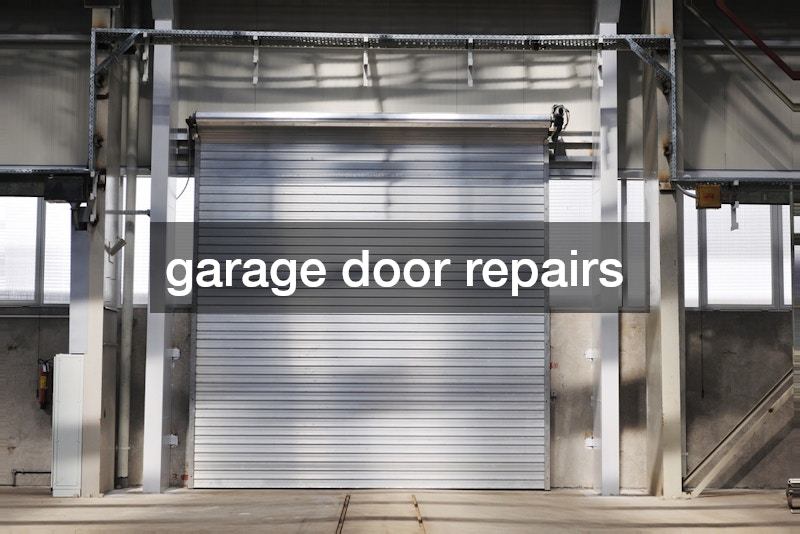
Functional areas such as garages are often overlooked during major renovations, despite their importance to daily use and home security. Renovation work provides an opportunity to improve reliability and safety in these spaces.
Coordinating garage door repairs with other upgrades ensures smoother operation and reduces the likelihood of failures after construction is complete.
Homeowners should consider:
-
Mechanical inspections: Identifying worn springs, tracks, or openers
-
Safety features: Ensuring sensors and controls function properly
-
Structural alignment: Addressing framing or opening issues
-
Timing: Completing repairs before final exterior finishes
Addressing garage functionality during renovation avoids future disruptions and enhances overall usability.
Upgrade Entry Systems to Match New Layouts and Usage
In some cases, replacement offers greater value than repair. Renovation projects often change how spaces are used, making existing systems outdated or inefficient.
Professional garage door installation allows homeowners to align access points with updated layouts, security needs, and design preferences.
Benefits of upgrading during renovation include:
-
Improved insulation: Enhancing energy efficiency
-
Modern automation: Increasing convenience and safety
-
Design integration: Matching the updated exterior aesthetic
-
Proper clearances: Accommodating structural or layout changes
Installing new systems during renovation reduces redundancy and ensures compatibility with other upgrades.
Restore Exterior Surfaces After Heavy Construction Is Complete
Heavy equipment, material deliveries, and increased traffic often leave exterior surfaces damaged by the end of a renovation. Addressing these areas too early can result in repeated repairs.
Scheduling asphalt repair as a final step restores functionality and appearance once construction is complete.
Key considerations include:
-
Surface assessment: Identifying cracks, depressions, or drainage issues
-
Load performance: Ensuring surfaces can handle regular use
-
Water management: Preventing pooling and freeze–thaw damage
-
Curb appeal: Completing the renovation with a polished exterior
Finishing exterior repairs last protects the work and enhances the home’s overall presentation.
A full-service home renovation succeeds when critical repairs are addressed with the same care as design upgrades. By assessing conditions early, sequencing work strategically, and coordinating repairs with improvements, homeowners can avoid costly oversights and long-term issues. Thoughtful planning transforms renovation projects into lasting investments that support comfort, safety, and reliability for years to come.