Buying a home is one of the most exciting and meaningful milestones many people experience. It represents stability, investment, and the opportunity to create a space that truly reflects your lifestyle. Whether you’ve purchased a newly constructed property or an older house with years of history, the months immediately following the purchase are an important time to evaluate the condition of your home and plan improvements. While home inspections during the purchasing process identify many potential concerns, living in the home often reveals additional opportunities for upgrades and maintenance. Some improvements will focus on protecting the structure of the home, while others may be centered on comfort, efficiency, and personalization. Creating a clear checklist of upgrades and maintenance tasks can help homeowners stay organized and avoid costly surprises later. From exterior repairs to interior updates and system maintenance, taking a proactive approach ensures that your new property remains safe, comfortable, and valuable for many years.
This comprehensive checklist walks through some of the most important upgrades homeowners should consider after moving in.
Begin With a Detailed Walkthrough of the Property
The first step after moving into a new house should always be a thorough inspection of the property. Even though the buying process included a professional home inspection, it’s helpful to conduct your own evaluation once you have access to every part of the home.
Spend time carefully examining the major systems and structural elements of the house. Pay close attention to areas such as:
-
The roof and exterior structure
-
Heating and cooling systems
-
Plumbing lines and fixtures
-
Interior finishes and flooring
-
Attic and insulation areas
During this stage, many homeowners choose to bring in professionals for additional evaluations. Licensed plumbers, for example, can check pipes, valves, and fixtures to ensure there are no hidden leaks or developing problems. By identifying issues early, homeowners can prioritize upgrades and prevent small concerns from turning into expensive repairs later.
Evaluate the Roof and Exterior Protection
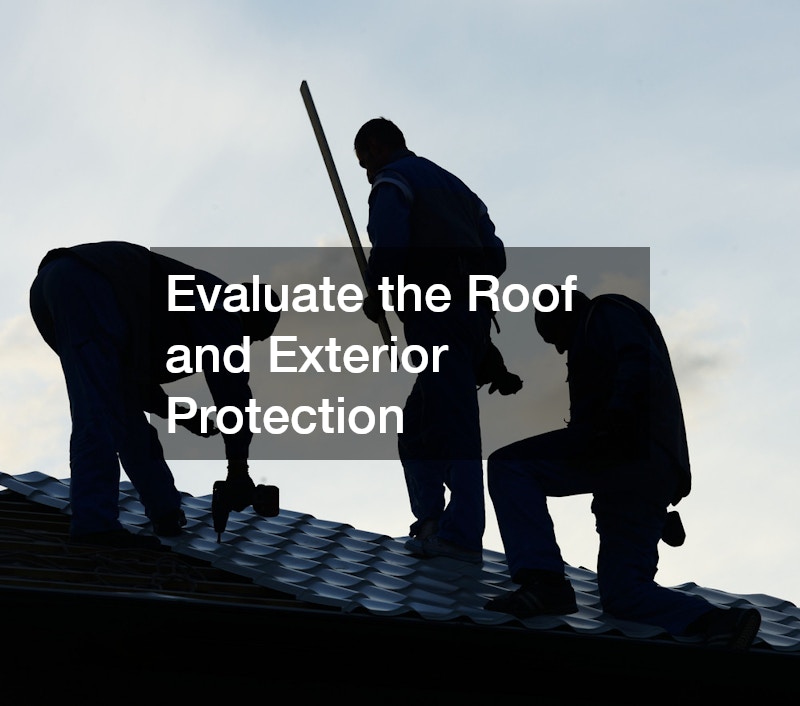
The roof is one of the most critical structural components of any home. It protects everything inside from weather, moisture, and environmental damage. Because of its importance, homeowners should schedule a roof evaluation soon after moving in. Even if the home inspection did not reveal major problems, a closer evaluation may identify areas where minor roof repair work is necessary. Addressing small issues—such as cracked shingles, damaged flashing, or minor leaks—can prevent larger structural problems in the future.
While evaluating the roof, it’s also important to inspect the rest of the exterior. Key areas to review include:
-
Gutters and downspouts
-
Siding and exterior trim
-
Window seals and frames
-
Foundation areas and drainage
Maintaining the outer structure of your home helps preserve the investment you made when buying a home and ensures the interior remains protected from moisture and weather damage.
Improve Energy Efficiency Across the House
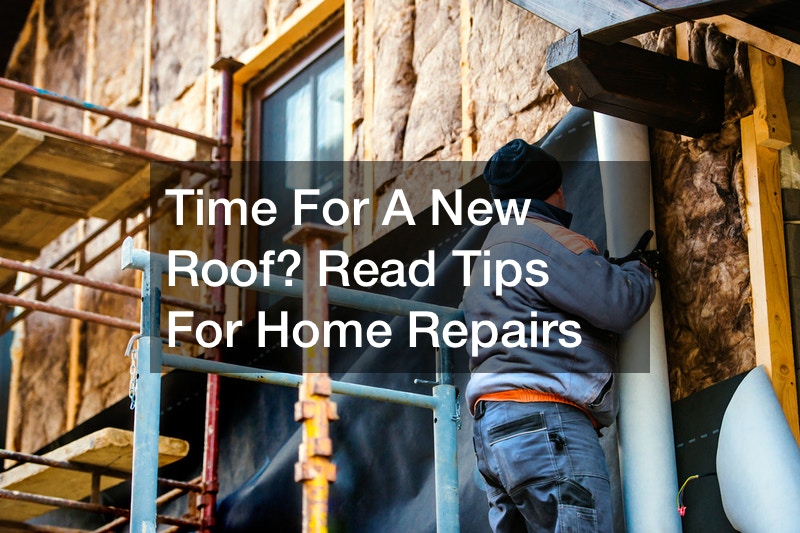
Energy efficiency upgrades are among the most valuable improvements homeowners can make early on. Improving efficiency helps lower monthly utility bills while making the home more comfortable throughout the year. One of the most important areas to evaluate is insulation. Many homes, especially older ones, do not have sufficient insulation in the attic or walls. Poor insulation allows heated or cooled air to escape, forcing HVAC systems to work harder.
Upgrading insulation can provide several benefits, including:
-
Lower heating and cooling costs
-
More consistent indoor temperatures
-
Reduced outside noise
-
Improved environmental impact
In many cases, upgrading insulation is relatively affordable compared to other renovations and can provide long-term savings for homeowners.
Assess the Heating System

Heating systems are essential for maintaining comfort during colder seasons. If the home you purchased has an aging heating system, it may be worth evaluating whether replacement is necessary. Many homeowners explore furnace installation options when they discover their existing system is inefficient or unreliable. Modern furnaces offer improved energy efficiency, better air circulation, and advanced temperature control features.
Signs that your heating system may need replacement include:
-
Uneven temperatures throughout the house
-
Increasing energy bills
-
Frequent repairs or breakdowns
-
Unusual noises during operation
Upgrading the heating system early can improve comfort while reducing long-term operating costs.
Examine the Water Heater and Plumbing Systems
Reliable hot water is something every homeowner depends on daily. Whether it’s for showers, laundry, or washing dishes, a properly functioning water heater is essential. After moving into a new home, it’s a good idea to evaluate the condition of the water heater. In some cases, a professional technician may recommend water heater repair if there are minor issues affecting performance.
Common warning signs that a water heater needs attention include:
-
Inconsistent water temperatures
-
Rust-colored water
-
Strange noises coming from the tank
-
Leaks or moisture near the unit
In addition to evaluating the water heater, homeowners should consider having licensed plumbers inspect the entire plumbing system. Experienced plumbers can detect hidden leaks, aging pipes, or potential issues that may not be immediately visible. Taking care of plumbing concerns early helps prevent water damage and unexpected repairs.
Maintain Healthy Drainage Systems
Proper drainage is essential for keeping plumbing systems functioning smoothly. Over time, substances such as soap residue, grease, food particles, and hair can build up in pipes. Scheduling professional drain cleaning soon after moving into a new home can remove years of buildup and improve water flow throughout the house.
Preventative drain cleaning offers several advantages:
-
Reduces the risk of severe clogs
-
Eliminates unpleasant odors
-
Protects pipes from damage
-
Improves overall plumbing efficiency
Regular maintenance ensures that sinks, tubs, and showers drain properly and helps avoid emergency plumbing calls.
Upgrade Bathrooms for Comfort and Value
Bathrooms are among the most frequently updated rooms in a home. If the bathrooms in your new property feel outdated or inefficient, upgrading them can greatly improve both functionality and appearance. A bathroom remodel can include simple updates such as replacing fixtures and lighting or larger renovations like installing new tile, vanities, or showers.
Common bathroom upgrades include:
-
Installing modern sinks and faucets
-
Upgrading showers or bathtubs
-
Replacing outdated vanities
-
Improving lighting and ventilation
Well-designed bathroom renovations often provide one of the highest returns on investment when it comes to home improvement projects.
Improve Storage and Organization
Storage space often becomes a concern after homeowners begin settling into their new property. Closets that seemed adequate during the initial showing may feel cramped once daily routines begin. Installing modern storage solutions can dramatically improve organization and functionality. Many homeowners choose professional closet installation systems that maximize vertical space and create designated storage areas.
Benefits of upgraded closet systems include:
-
Better organization for clothing and accessories
-
Increased usable storage space
-
Reduced clutter in bedrooms
-
Improved overall aesthetics
Customized storage solutions can transform even small closets into highly efficient spaces.
Refresh Interior Spaces With Paint
Few improvements provide such an immediate transformation as painting. A fresh coat of paint can brighten rooms, hide imperfections, and help homeowners personalize their living space. Many homeowners visit a local paint store soon after moving in to select colors that match their style and vision for the home.
Popular painting projects include:
-
Repainting living rooms and bedrooms
-
Updating kitchen cabinets
-
Refreshing trim and doors
-
Creating accent walls
Because painting is relatively affordable and easy to complete, it’s one of the most common early upgrades homeowners choose.
Upgrade Lighting and Electrical Features
Lighting plays an important role in both the appearance and functionality of a home. Many older houses have outdated fixtures that do not provide sufficient brightness or energy efficiency. Replacing these fixtures with modern LED lighting can improve visibility while reducing electricity usage.
Common lighting upgrades include:
-
Recessed lighting in living areas
-
Under-cabinet lighting in kitchens
-
Updated decorative fixtures
-
Improved outdoor lighting for safety
Better lighting can make spaces feel larger, brighter, and more welcoming.
Enhance Outdoor Living Spaces
Outdoor areas can become valuable extensions of the home when properly designed. Patios, decks, and backyard spaces can be transformed into comfortable gathering areas for relaxation and entertainment.
Some popular outdoor upgrades include:
-
Adding outdoor seating areas
-
Installing landscape lighting
-
Creating gardens or decorative landscaping
-
Building shade structures such as pergolas
Maintaining proper drainage around the home is also critical. Water that collects near the foundation can cause serious structural damage over time. Ensuring proper grading and keeping gutters clean helps protect the structure of the home.
Focus on Safety and Preventative Maintenance
In addition to upgrades, homeowners should prioritize safety improvements. Ensuring that key safety systems are functioning properly can help prevent accidents and emergencies. Important safety tasks include:
-
Testing smoke detectors
-
Checking carbon monoxide detectors
-
Inspecting electrical panels
-
Ensuring proper ventilation in bathrooms and kitchens
Regular maintenance checks can help identify potential hazards before they become serious issues.
Establish a Seasonal Maintenance Routine
Homes require continuous care, and developing a seasonal maintenance routine can help keep everything running smoothly.
Spring
-
Inspect roofing and gutters
-
Check outdoor plumbing fixtures
-
Schedule HVAC system service
Summer
-
Maintain landscaping and outdoor areas
-
Inspect exterior siding and paint
Fall
-
Prepare heating systems for winter
-
Inspect attic areas and insulation
-
Seal windows and doors
Winter
-
Monitor pipes for freezing risks
-
Test safety devices
-
Inspect plumbing systems
During these seasonal inspections, homeowners may notice signs that professional services are needed, such as slow drains requiring drain cleaning or plumbing noises that may require an inspection by plumbers.
Plan Home Improvements Strategically
Not every project needs to be completed immediately. Organizing upgrades into a long-term plan can help homeowners stay on track and manage costs. Many homeowners divide improvements into three categories:
Immediate priorities
These include structural or system issues that must be addressed quickly, such as roof damage or plumbing leaks.
Short-term improvements
These projects improve comfort and efficiency and may include heating upgrades or insulation improvements.
Long-term projects
Cosmetic upgrades such as painting, storage improvements, or bathroom renovations can often be completed gradually over time.
Budget for Ongoing Improvements
Homeownership comes with ongoing costs, so it’s wise to create a budget specifically for maintenance and upgrades. Experts often recommend setting aside one to three percent of the home’s value each year for repairs and improvements.
This budget can help cover projects such as:
-
Interior painting updates
-
Storage improvements
-
Energy efficiency upgrades
-
Renovation projects
Planning ahead financially allows homeowners to address problems quickly and make improvements without unnecessary stress.
Protecting Your Investment Over Time
Owning a home is a long-term commitment, and proactive maintenance plays a critical role in protecting the value of that investment. A home is more than just a place to live—it is often one of the largest financial assets a person will own. Because of that, taking a preventative approach to repairs and upgrades can make a significant difference over time. By identifying small issues early and addressing them before they worsen, homeowners can avoid costly repairs that might otherwise develop if problems are ignored. Simple actions such as inspecting major systems, repairing minor damage, and scheduling regular service appointments can help keep the property in excellent condition.
Regular maintenance also helps ensure that the home remains comfortable, energy efficient, and visually appealing. When heating, cooling, plumbing, and structural components are functioning properly, daily life becomes much easier and more enjoyable. Well-maintained homes often experience fewer unexpected breakdowns, which can reduce stress and help homeowners better manage their budgets. Additionally, maintaining the appearance of the property—through upkeep of paint, landscaping, and interior spaces—helps preserve curb appeal and overall property value.
The months after buying a home provide the perfect opportunity to take a closer look at the property and begin building a long-term maintenance plan. This period allows homeowners to evaluate the condition of important systems, determine which upgrades should be prioritized, and make adjustments that better fit their needs and preferences. Some improvements may focus on efficiency and safety, while others may be centered on comfort and personalization. Over time, these upgrades gradually transform the house into a space that truly reflects the homeowner’s lifestyle. By staying organized, planning ahead, and maintaining the property regularly, homeowners can enjoy peace of mind knowing their home will remain a safe, comfortable, and valuable place to live for many years to come.
Turning a House Into Your Ideal Home
Moving into a new house is just the beginning of the journey. With careful planning and regular maintenance, homeowners can transform their property into a comfortable and efficient living space.From structural improvements like roof repair and insulation upgrades to comfort-focused projects such as bathroom renovations and storage upgrades, each improvement contributes to the long-term success of the home.By following a comprehensive upgrade checklist and staying proactive about maintenance, homeowners can protect their investment while creating a space they will enjoy for many years to come.